Major Flight Disruptions Across the U.S.: Hundreds of Cancellations and Thousands of Delays Impact Travelers Nationwide
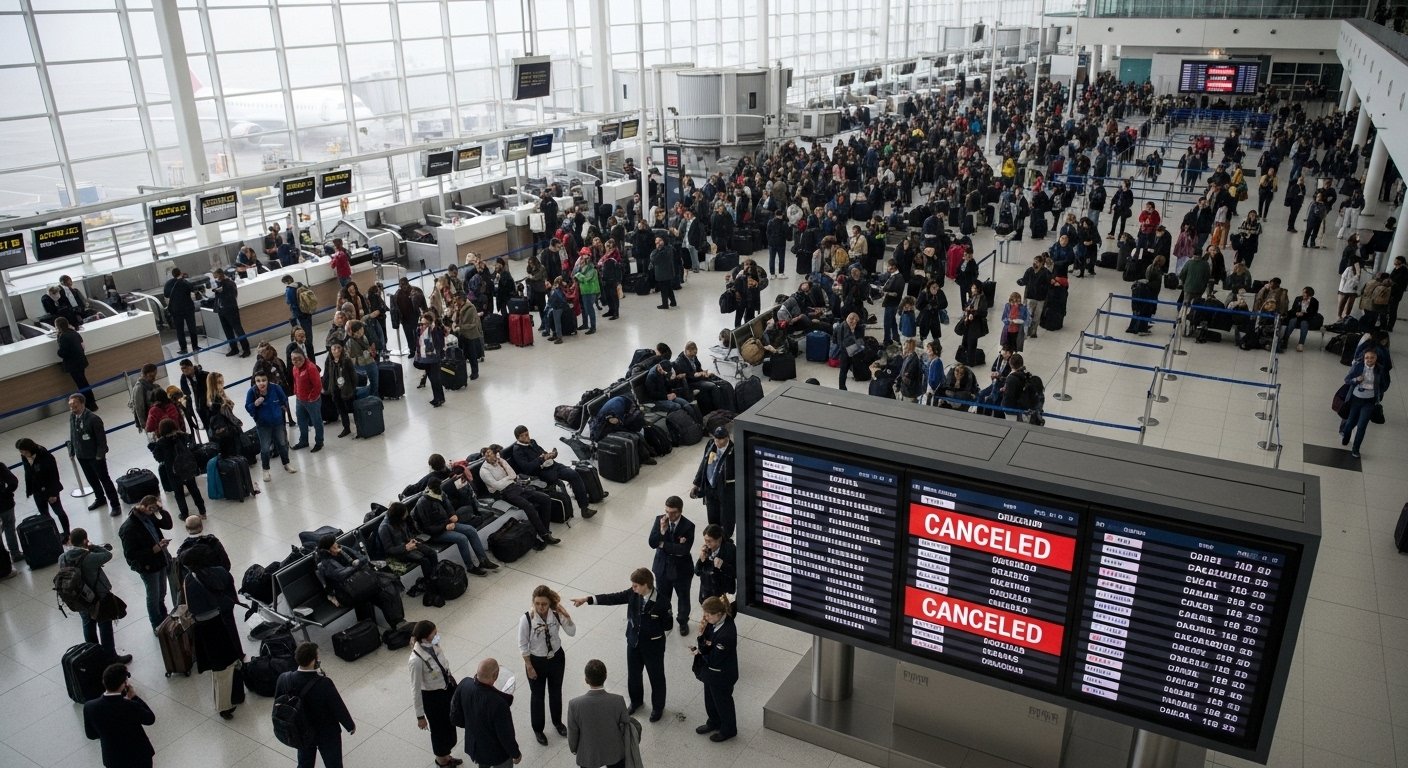
Air travel across the United States faced widespread disruption as hundreds of flights were canceled and thousands delayed, affecting passengers traveling through some of the country’s busiest airports. The disruptions impacted major airlines and caused ripple effects throughout the national aviation network.
Travelers flying through cities including Atlanta, Boston, Chicago, Dallas, Houston, Los Angeles, and New York City experienced long delays, missed connections, and last-minute schedule changes as airlines struggled to maintain normal operations.
According to aviation tracking data, more than 135 flights were canceled while over 1,900 flights were delayed across the country, creating significant travel headaches for thousands of passengers.
Major Airlines Affected
The disruptions impacted several of the largest airlines operating in the United States, including:
- Delta Air Lines
- American Airlines
- United Airlines
- Spirit Airlines
- JetBlue Airways
These carriers operate extensive domestic networks connecting hundreds of airports, meaning delays at a few major hubs can quickly spread throughout the system.
Passengers flying with regional affiliates and partner airlines were also affected as airlines worked to reposition aircraft and crews.
Major Airport Hubs Saw the Biggest Delays
Some of the nation’s busiest airport hubs experienced the greatest disruptions.
Among the most impacted were:
- Hartsfield‑Jackson Atlanta International Airport – the world’s busiest airport and a major hub for Delta
- Chicago O’Hare International Airport – one of the largest hubs for United and American
- Dallas/Fort Worth International Airport – American Airlines’ primary hub
- Los Angeles International Airport – a major gateway for domestic and international flights
- John F. Kennedy International Airport – one of New York’s main international airports
Because these hubs handle thousands of daily flights, delays in these locations can quickly cascade into nationwide travel disruptions.
What Caused the Flight Disruptions?
While aviation disruptions can occur for several reasons, common causes include:
Severe Weather
Storm systems, strong winds, or low visibility conditions can limit airport operations and force airlines to delay or cancel flights.
Air Traffic Control Restrictions
When air traffic controllers reduce the number of aircraft allowed in certain airspace due to safety concerns or congestion, flights may be delayed.
Aircraft and Crew Availability
When earlier flights are delayed, aircraft and crews may arrive late for their next scheduled departures, creating a domino effect throughout the day.
Airport Congestion
Busy travel days often push airport capacity to its limits, especially at large hub airports.
In many cases, flight disruptions occur due to a combination of these factors rather than a single issue.
Impact on Passengers
For travelers, the disruptions led to a wide range of problems, including:
- Missed connecting flights
- Long wait times at airports
- Last-minute rebooking challenges
- Extended travel times
Airlines typically offer passengers options such as rebooking on later flights, travel credits, or refunds depending on the situation and ticket type.
However, during large-scale disruptions, available seats can fill quickly, leaving travelers with limited alternatives.
The Ripple Effect Across the National Air System
The U.S. aviation system operates as an interconnected network. When delays occur at major hubs, they often affect flights across the country.
For example:
- A delayed aircraft arriving in Atlanta may cause a departure delay for a flight heading to Los Angeles.
- That same aircraft might later operate a connection from Los Angeles to New York.
Because airlines schedule aircraft and crews tightly throughout the day, even small delays can grow into larger operational challenges.
Tips for Travelers During Flight Disruptions
Travel experts recommend several strategies to minimize disruption when delays occur.
Monitor Flight Status
Passengers should regularly check airline apps and airport websites for real-time updates.
Arrive Early
Arriving at the airport earlier than usual provides more flexibility if flights change.
Use Airline Mobile Apps
Most airlines allow travelers to rebook flights quickly through mobile apps without waiting in long customer service lines.
Consider Alternative Routes
Sometimes connecting through different airports can help travelers reach their destination faster.
Airlines Continue Working to Restore Normal Operations
Airlines typically respond to large disruptions by adjusting schedules, repositioning aircraft, and adding extra flights when possible.
As weather improves and schedules stabilize, operations usually return to normal within a day or two.
However, passengers planning to travel in the coming days should continue monitoring their flight status and allow extra time for potential delays.
The Bigger Picture: Growing Pressure on U.S. Air Travel
The disruption also highlights broader challenges facing the American aviation system.
Air travel demand has surged in recent years, placing increasing pressure on airlines, airports, and air traffic control systems.
With more people flying than ever before, maintaining smooth operations requires coordination between airlines, airport authorities, and federal aviation regulators.
The recent wave of cancellations and delays affecting cities like Atlanta, Chicago, Dallas, Los Angeles, and New York underscores how quickly disruptions can spread across the U.S. aviation network.
While airlines continue working to restore normal operations, travelers should stay informed, remain flexible, and plan ahead when flying during busy travel periods.