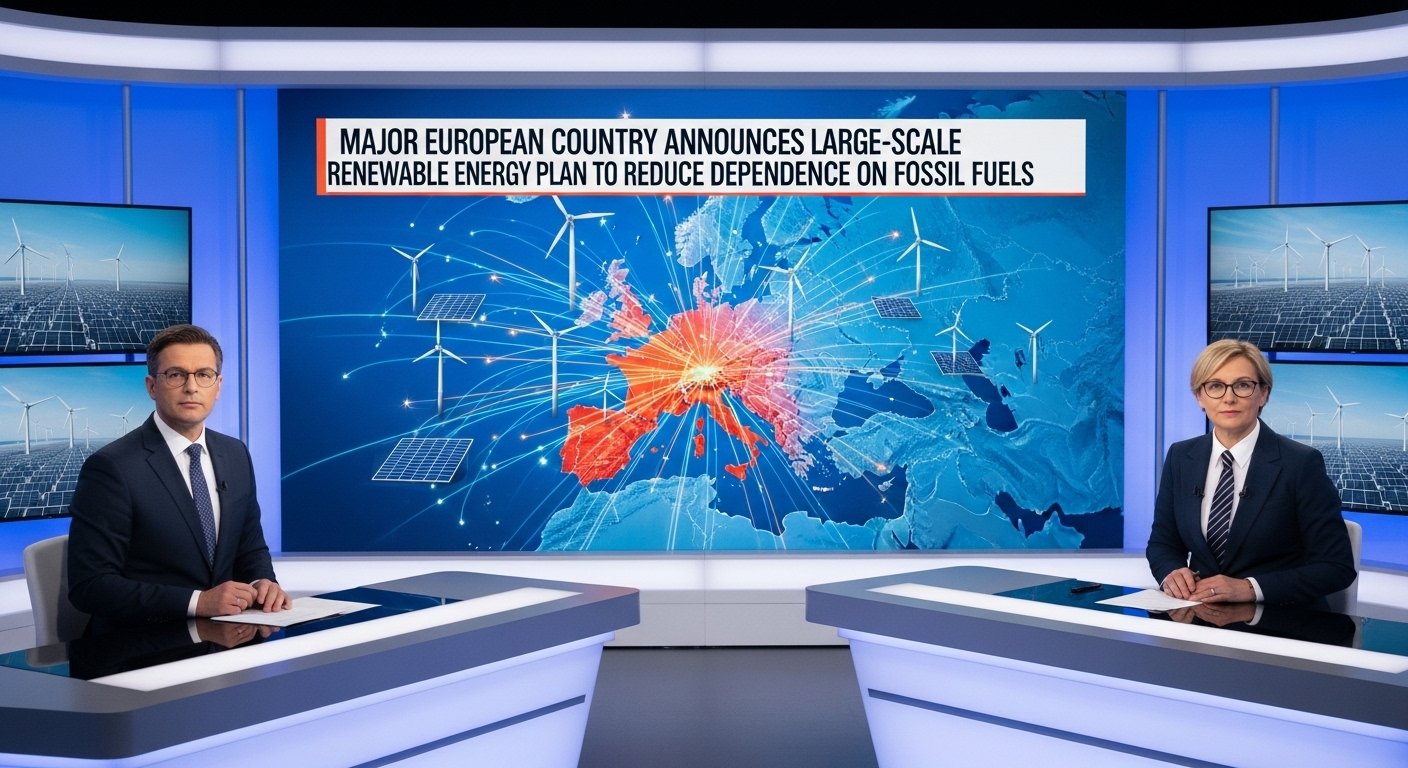
Major European Country Announces Large Scale Renewable Energy Plan to Reduce Dependence on Fossil Fuels
Across the world, governments are searching for ways to reduce dependence on fossil fuels and move toward cleaner energy sources. Recently, a major European country announced an ambitious renewable energy plan designed to transform how the nation produces electricity over the coming decades. The proposal has attracted global attention because of its scale and the potential impact it could have on energy policy in other parts of the world.
The plan focuses on expanding renewable energy sources such as wind, solar, and hydropower while gradually reducing the use of coal, oil, and natural gas. Officials say the transition is necessary to address climate change, strengthen energy independence, and create long term economic opportunities.
Why Countries Are Moving Toward Renewable Energy
For many years, fossil fuels have been the primary source of electricity in most countries. Coal, oil, and natural gas have powered industries, homes, and transportation systems. However, these energy sources produce carbon emissions that contribute to global warming and environmental pollution.
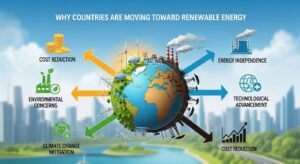
In recent years, the effects of climate change have become more visible through extreme weather events, rising temperatures, and environmental damage. As a result, governments around the world are investing in renewable energy solutions that can generate electricity without producing harmful emissions.
Renewable energy technologies have also become more affordable. Solar panels and wind turbines are now significantly cheaper than they were just a decade ago. This shift has made clean energy a practical option for many nations.
Key Goals of the Renewable Energy Plan
The new energy strategy includes several important goals designed to transform the country’s energy system. One of the main objectives is to increase the percentage of electricity generated from renewable sources.
Government officials have announced plans to build large wind farms both on land and offshore. Offshore wind turbines can generate huge amounts of electricity because ocean winds tend to be stronger and more consistent than winds on land.
The plan also includes a major expansion of solar energy projects. Solar panels will be installed on residential buildings, commercial facilities, and large solar farms located in rural areas. These installations will help produce clean energy while reducing the need for fossil fuel power plants.
Another goal of the plan is improving energy storage technology. Renewable energy sources sometimes produce electricity only when the sun is shining or the wind is blowing. Battery storage systems will allow excess energy to be stored and used later when demand increases.
Economic Benefits of the Energy Transition
Supporters of the renewable energy plan believe it could provide major economic benefits. Building renewable energy infrastructure requires thousands of workers in engineering, construction, manufacturing, and maintenance.
New industries focused on clean energy technology are expected to create job opportunities across many regions. Local communities may benefit from investments in energy projects that bring long term employment and economic growth.
Energy independence is another important factor. By producing more electricity domestically through renewable sources, countries can reduce reliance on imported oil and gas. This can protect economies from global energy price fluctuations.
Challenges and Concerns
Despite its potential benefits, the transition to renewable energy is not without challenges. Building large energy projects requires significant investment and careful planning.
Some communities have raised concerns about the placement of wind turbines and solar farms. While renewable energy projects help reduce emissions, they can also affect landscapes, wildlife habitats, and local environments if not planned carefully.
Another challenge is maintaining a stable power grid during the transition. Renewable energy sources can sometimes produce variable electricity levels depending on weather conditions. Governments must invest in grid modernization and energy storage to ensure consistent power supply.
Experts emphasize that balancing environmental goals with economic and community concerns will be essential for the success of the plan.
Global Impact of the Announcement
The renewable energy strategy announced by this European country could influence energy policies around the world. Many nations closely watch major energy transitions because they provide real world examples of how clean energy systems can operate on a national scale.
If the plan proves successful, it could encourage other governments to adopt similar policies. International cooperation on climate solutions has become increasingly important as countries work together to reduce global emissions.
Technology innovation is also expected to accelerate as companies develop more efficient wind turbines, advanced solar panels, and improved battery systems.
The Future of Clean Energy
Energy experts believe the global transition toward renewable energy will continue to accelerate in the coming decades. Advances in technology, growing environmental awareness, and government policies are all contributing to the shift.
While fossil fuels will likely remain part of the global energy mix for some time, renewable sources are expected to play a much larger role in the future. Countries that invest early in clean energy infrastructure may gain economic advantages as new industries develop.
For citizens, the transition could eventually lead to cleaner air, more sustainable communities, and greater energy security.
Final Thoughts
The announcement of a large scale renewable energy plan marks an important step in the global effort to address climate change and reduce reliance on fossil fuels. While challenges remain, the move demonstrates how governments are beginning to rethink traditional energy systems.
As technology continues to evolve and investment in renewable energy grows, the world may be entering a new era of sustainable power generation. The success of this plan will likely be watched closely by policymakers, environmental advocates, and energy experts around the globe.