A major development in Iowa’s 2026 election cycle has reshaped several key races just weeks before the primary. Republican gubernatorial candidate Eddie Andrews faced a serious challenge to his place on the ballot—but ultimately survived while multiple other candidates were removed entirely.
This situation highlights how strict election rules, especially around signature requirements, can significantly impact who gets to run for office. For U.S. readers, it also raises broader questions about election integrity, candidate vetting, and the power of procedural challenges in American politics.
What Happened: A High Stakes Ballot Review
In Iowa, candidates must meet strict requirements to qualify for the primary ballot. These include submitting a required number of valid voter signatures.
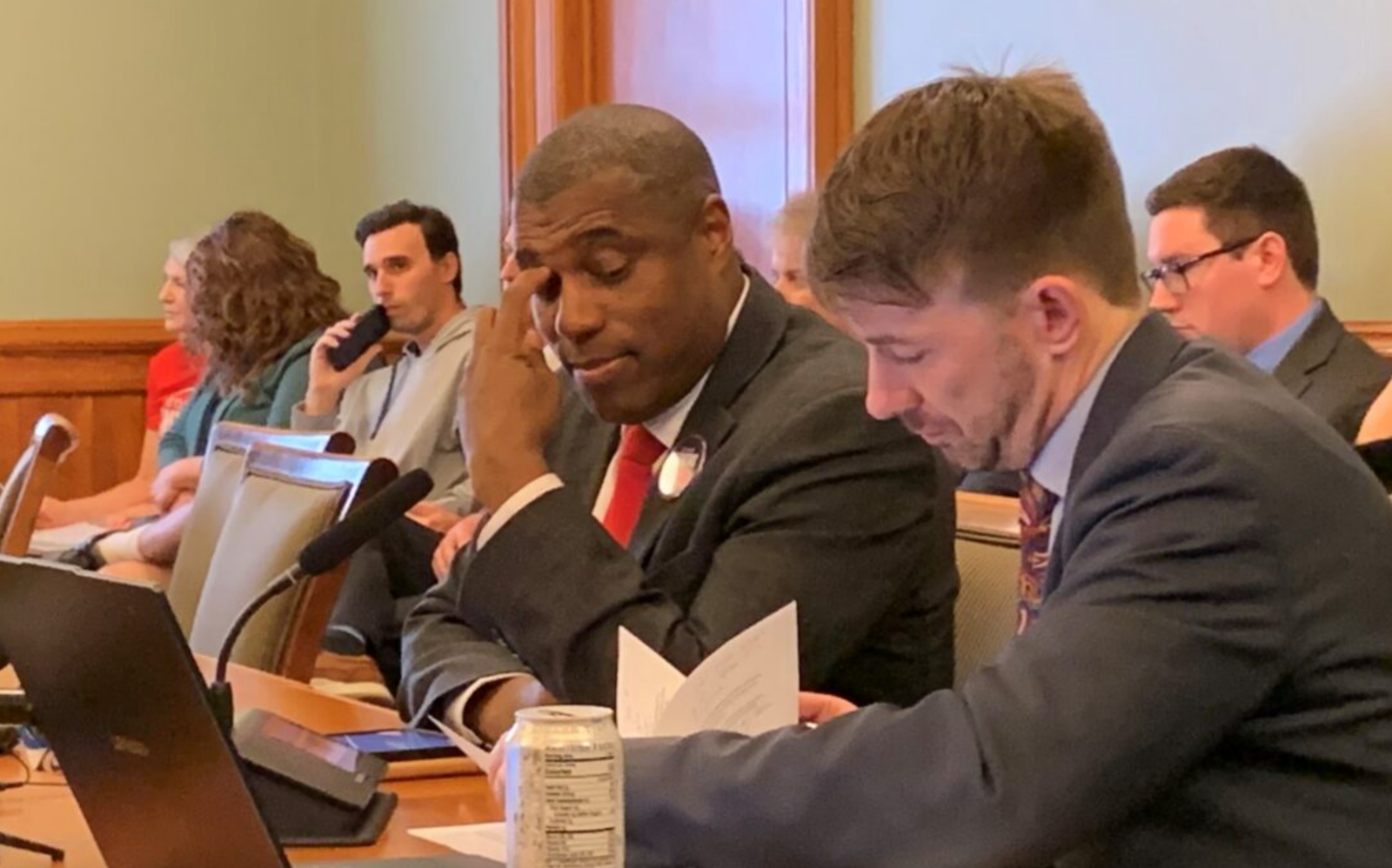
In this case, a state objection panel reviewed multiple challenges filed against candidates’ nomination papers. The panel includes top state officials such as the Secretary of State, Attorney General, and Agriculture Secretary.
After reviewing the evidence:
- Eddie Andrews remained on the ballot
- Three other candidates were removed from the primary ballot
- One additional candidate survived a separate challenge
This decision has already begun reshaping Iowa’s June 2026 primary elections.
Why Eddie Andrews Was Challenged
Eddie Andrews, a Republican running for governor, faced a challenge over whether he had submitted enough valid signatures.
Iowa’s Requirements for Governor:
- At least 3,500 total signatures
- At least 100 signatures from 19 different counties
The challenge argued that many of Andrews’ submitted signatures were invalid due to:
- Duplicate names
- Incorrect or incomplete addresses
- Signatures from the wrong counties
If enough signatures had been disqualified, Andrews would have been removed from the ballot.
The Final Decision: Andrews Stays on the Ballot
After reviewing the case, the panel ruled in favor of Andrews.
Officials determined that:
- He met the required county distribution threshold
- He had just enough valid signatures to qualify
- The challenge did not provide sufficient grounds to remove him
In fact, Andrews reportedly cleared the requirement by a very narrow margin—meeting the 19-county rule with just over the minimum number of valid signatures.
Andrews’ Reaction
Following the decision, Andrews expressed relief and framed the outcome as a win for voters:
- He emphasized that Iowans should have the right to choose their candidate
- He suggested that efforts to remove him were politically motivated
This victory allows him to remain in a crowded Republican primary race.
Controversy Behind the Challenge
The situation was not just procedural—it also involved political tension.
Andrews alleged that:
- He had been pressured to drop out of the race
- His campaign faced efforts aimed at removing him from contention
Specifically, he suggested connections between the challenger and a rival campaign. However, those claims were denied by the opposing side.
This adds another layer to the story, showing how ballot challenges can sometimes intersect with political strategy.
Three Candidates Removed From the Ballot
While Andrews survived, three other candidates were not as fortunate.
The panel removed candidates who failed to meet the required signature thresholds, including:
- A Democratic congressional candidate
- A Democratic state House candidate
- A Republican state Senate candidate
These candidates were disqualified because they did not submit enough valid signatures after review.
Impact on Races
The removals had immediate effects:
- Some races are now less competitive
- In one case, a candidate became the only contender in their primary
- General election matchups are now more predictable
This demonstrates how procedural requirements can dramatically alter election outcomes before voters even cast a ballot.
Another Candidate Survives a Challenge
In addition to Andrews, another Republican candidate for the state Senate also survived a ballot challenge.
The panel reviewed disputed signatures and determined that:
- Enough valid signatures remained
- The candidate met the legal threshold
This reinforces the idea that each case depends heavily on detailed verification of signatures and documentation.
Why Signature Requirements Matter
Ballot access laws are designed to ensure that candidates demonstrate a minimum level of public support before appearing on the ballot.
Purpose of These Rules:
- Prevent overcrowded ballots
- Ensure serious candidates only
- Maintain election integrity
However, critics argue that:
- These rules can be overly strict
- Minor technical errors can disqualify candidates
- Challenges can be used strategically to eliminate opponents
The Iowa case highlights both sides of this debate.
The Bigger Political Picture in Iowa
The 2026 Iowa governor’s race is particularly important because:
- The seat is open (no incumbent running)
- Multiple Republican candidates are competing
- The outcome could shape state politics for years
Candidates in the Republican primary include:
- Randy Feenstra
- Adam Steen
- Brad Sherman
- Zach Lahn
- Eddie Andrews
On the Democratic side, Rob Sand is the leading candidate.
With Andrews staying in the race, the Republican primary remains competitive.
What This Means for U.S. Elections
This situation reflects broader themes in American elections:
1. Legal Challenges Can Shape Elections
Candidates can be removed before voters even have a say.
2. Administrative Rules Have Big Consequences
Small paperwork errors can end campaigns.
3. Politics and Procedure Often Overlap
Ballot challenges may be used as political tools.
What Happens Next
Looking ahead:
- Iowa’s primary election is scheduled for June 2, 2026
- Candidates will now shift focus to campaigning
- Legal and procedural battles may continue in other races
For Andrews, the focus now moves from survival to competition he must convince voters, not just election officials.
The Iowa ballot controversy involving Eddie Andrews is a clear example of how election rules can shape political outcomes before voters head to the polls.
While Andrews managed to stay in the race, others were not as fortunate, underscoring the importance of meeting strict legal requirements. At the same time, the case raises questions about fairness, transparency, and the role of challenges in modern elections.
As the 2026 primary approaches, the political landscape in Iowa is now clearer but also more intense. With fewer candidates and higher stakes, the race is set to draw even more attention in the coming weeks.