Israel, Iran, and the United States: Inside the Escalating Conflict and Fragile Ceasefire
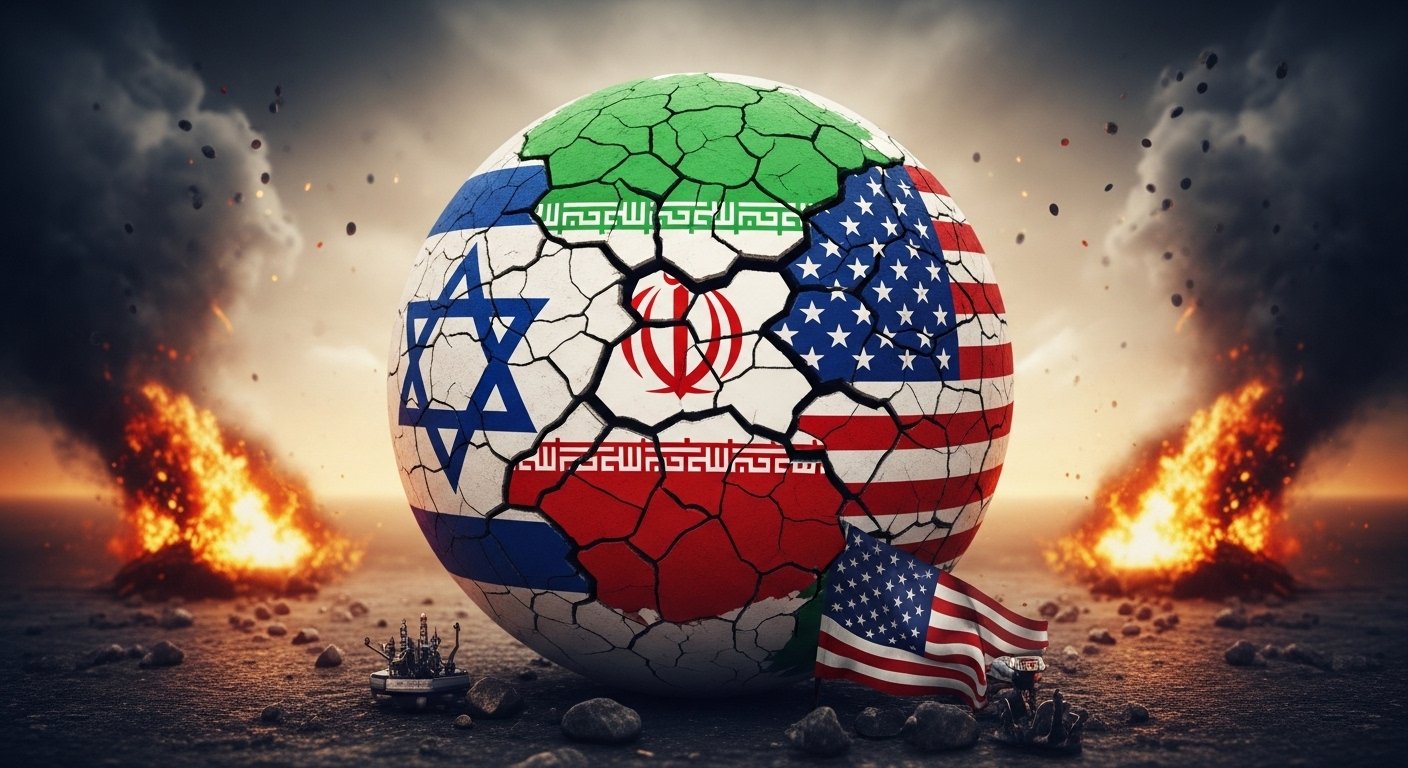
Tensions in the Middle East reached a dangerous level in early 2026 as military confrontation intensified between Israel, Iran, and the United States. What began as a series of coordinated strikes quickly expanded into a broader regional conflict, raising fears of a major war that could destabilize global politics and energy markets.
How the Conflict Began
The crisis escalated dramatically when Israel, with support from the United States, launched strikes against Iranian targets in February 2026. The operation—described by Israeli officials as a defensive action—was aimed at weakening Iran’s military infrastructure and nuclear capabilities. (Wikipedia)
For years, Israel had warned that Iran’s nuclear program and regional influence posed a serious security threat. Israeli leaders believed that allowing Iran to expand its missile capabilities and nuclear technology could shift the balance of power in the Middle East.
Iran, however, viewed the strikes as an act of aggression. Within days, Tehran responded with missile attacks and threats of broader retaliation, escalating the conflict and drawing the region closer to open war. (Wikipedia)
U.S. Role in the Conflict
The United States became deeply involved in the crisis. American forces supported military actions against Iranian targets and prepared additional strikes aimed at weakening Iran’s economic and military infrastructure.
Reports indicate that high-level meetings in Washington discussed the possibility of larger attacks on Iranian facilities. Military planners were particularly focused on strategic sites such as oil export terminals and military bases that play a critical role in Iran’s regional operations. (Just Security)
For the U.S. government, the conflict was framed as an effort to contain Iran’s influence and prevent further destabilization across the Middle East.
Regional Escalation
As fighting intensified, other regional actors became involved. Groups aligned with Iran—including Hezbollah in Lebanon and other militias—launched attacks against Israeli and U.S. interests. These actions widened the battlefield beyond Iran and Israel.
Israel responded with heavy strikes in Lebanon, targeting what it described as Hezbollah infrastructure. The attacks were among the most intense of the conflict and caused significant casualties and destruction. (Wikipedia)
The widening conflict increased fears that the war could spread across the entire region.
Global Impact
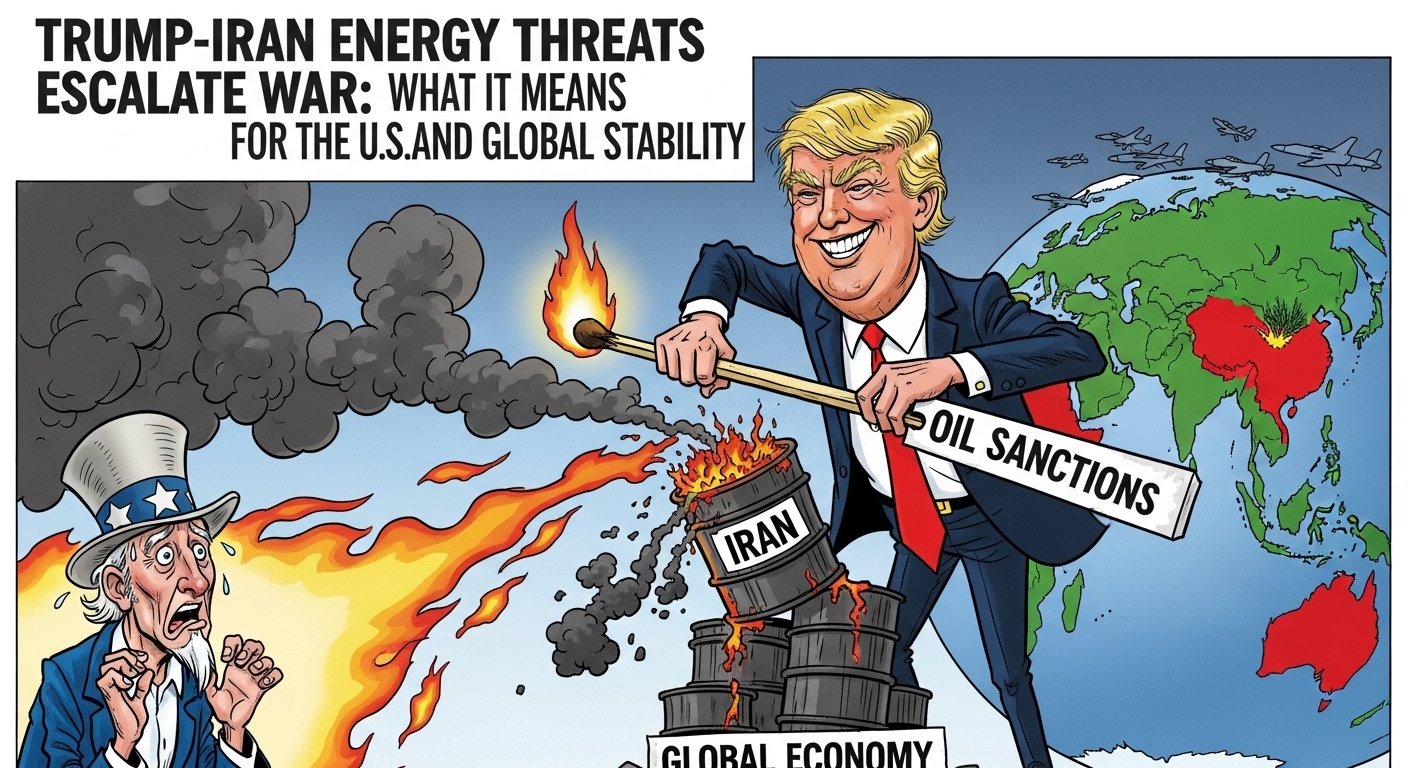
The conflict quickly had global consequences. One of the most critical concerns was the safety of shipping through the Strait of Hormuz, a strategic waterway that carries a large portion of the world’s oil supply.
Even the threat of disruption in the strait caused energy markets to react sharply, with oil prices fluctuating amid fears of supply shortages.
International leaders urged restraint, warning that a prolonged war could trigger a major economic shock worldwide.
Diplomatic Efforts and Ceasefire
After weeks of escalating violence, diplomatic efforts intensified. Several countries pushed for negotiations to prevent a full-scale war.
Eventually, a temporary ceasefire agreement was reached between the United States and Iran. The deal called for a two-week pause in major military operations while negotiations continued. (Wikipedia)
Iran agreed to reopen the Strait of Hormuz and participate in talks about a longer-term peace arrangement. Meanwhile, the United States halted plans for further large-scale strikes.
Israel also supported the ceasefire in principle, though disagreements remained about whether it applied to Israeli operations in Lebanon.
Continued Tensions Despite the Truce
Despite the ceasefire, tensions remain extremely high. Israeli leaders have warned that military action could resume if Iran continues activities they consider threatening.
At the same time, Iran has insisted that any lasting agreement must include sanctions relief and recognition of its right to maintain nuclear technology.
Some analysts believe the ceasefire is only a temporary pause in a deeper geopolitical struggle that has been building for decades.
Political Consequences
The conflict has also had major political effects. Leaders in several countries face growing domestic pressure over the cost and risks of the war.
In Israel, critics argue that the conflict did not achieve its strategic objectives and could weaken the government politically. (The Guardian)
In the United States, debates continue over the role of American military power in the Middle East and whether the intervention was necessary.
What Happens Next
The future of the conflict remains uncertain. Negotiations are expected to continue in the coming weeks as diplomats attempt to turn the temporary ceasefire into a lasting peace agreement.
However, deep mistrust between Iran, Israel, and the United States makes a long-term solution extremely difficult.
For now, the ceasefire provides only a brief pause in a conflict that has already reshaped the geopolitical landscape of the Middle East.