NATO leader says he expects Europe to come together on Iran
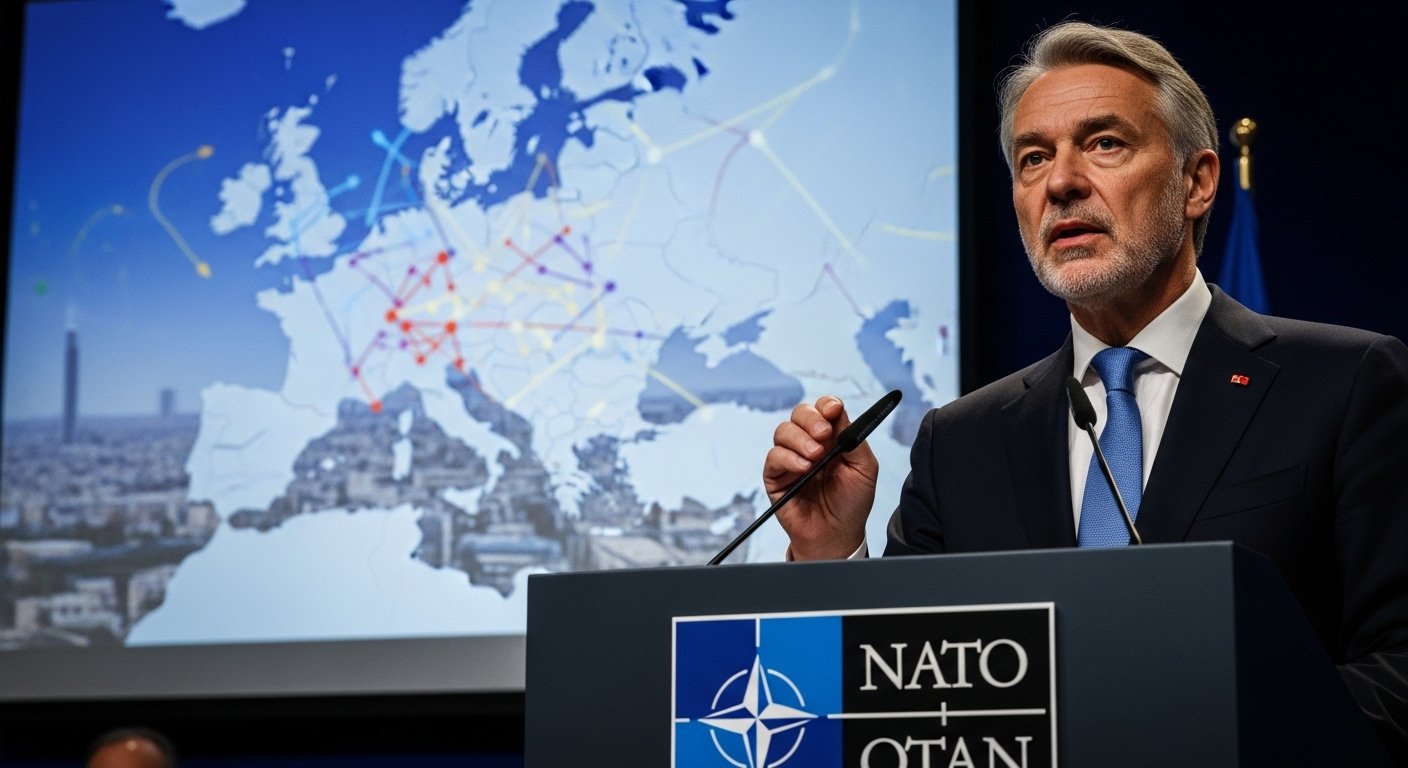
Rising tensions in the Middle East, particularly involving Iran have once again placed global security at the forefront of international politics. Recently, NATO Secretary General Mark Rutte expressed confidence that Europe will ultimately “come together” in response to the growing crisis involving Iran. His statement comes at a time when Western alliances face both internal divisions and external pressures.
For U.S. readers, this issue is critical. NATO unity directly impacts American foreign policy, military strategy, energy security, and global economic stability. This article breaks down the situation, explains what NATO leadership means by European unity, and analyzes the broader implications for the United States.
Background: Escalating Tensions with Iran
The current situation stems from a series of escalating events involving Iran’s military capabilities, regional influence, and alleged threats to Western interests. NATO leadership has repeatedly warned that Iran’s nuclear ambitions and ballistic missile programs pose risks not only to the Middle East but also to Europe and beyond.
Recent military actions led by the United States have further intensified the situation. These developments include targeted strikes against Iranian assets and increased military presence in strategic areas such as the Strait of Hormuz a key global oil route.
The conflict has disrupted shipping lanes and increased oil prices, creating ripple effects across global markets.
NATO’s Position on the Iran Crisis
NATO has taken a careful and somewhat limited stance. While the alliance has expressed concern about Iran’s activities, it has emphasized that NATO as an organization is not directly involved in military operations against Iran.
However, NATO Secretary General Mark Rutte has consistently highlighted the importance of unity among member states. He has indicated that many European leaders support efforts to counter Iran’s influence and maintain global security.
At the same time, NATO’s role has shifted toward coordination, logistics, and strategic support rather than direct combat involvement.
Europe’s Divided Response
Despite Rutte’s optimism, Europe is not fully united at least not yet.
Some European countries have shown strong support for U.S. actions, while others have expressed caution or outright opposition to military escalation. For example:
- The United Kingdom and several EU nations have prioritized diplomacy and de escalation.
- Some countries have refused to send military forces to the region.
- Others are offering indirect support, such as intelligence sharing or logistical assistance.
Reports indicate that European leaders are concerned about being drawn into a prolonged conflict without a clear strategy.
This division highlights a key challenge for NATO: maintaining unity while respecting national interests.
Signs of Growing European Cooperation
Despite disagreements, there are strong indications that Europe is gradually aligning its approach.One major example is the multinational effort to secure the Strait of Hormuz. A coalition of more than 20 countries including several NATO members is working together to ensure safe passage for global shipping.

Additionally:
- European bases are being used to support U.S. operations.
- NATO forces are being repositioned to ensure safety and readiness.
- Diplomatic efforts are underway to coordinate responses with Middle Eastern allies.
Even countries that publicly oppose military escalation are quietly contributing to broader strategic efforts.
This suggests that while Europe may appear divided politically, operational cooperation remains strong.
Why NATO Unity Matters for the United States
For the U.S., NATO unity is not just symbolic it is essential.
1. Military Strategy
The United States relies heavily on European bases for operations in the Middle East. These bases serve as launch points for aircraft, drones, and logistical support.
Without European cooperation, U.S. military effectiveness in the region would be significantly reduced.
2. Economic Stability
The Strait of Hormuz is one of the most important النفط shipping routes in the world. Any disruption can lead to rising oil prices, inflation, and economic instability in the U.S.
European participation in securing this route helps stabilize global markets.
3. Global Influence
NATO represents the world’s most powerful military alliance. A united NATO sends a strong message to adversaries like Iran, Russia, and China.
Division, on the other hand, can weaken deterrence and embolden hostile actors.
Challenges Facing NATO
While Rutte remains optimistic, several challenges could prevent full European unity.
Political Differences
European countries have different political systems, public opinions, and foreign policy priorities. Some are more aligned with U.S. strategies, while others prefer independent approaches.
War Fatigue
After years of involvement in global conflicts, many European nations are hesitant to engage in another military confrontation.
Economic Concerns
Rising energy prices and economic uncertainty make governments cautious about actions that could escalate tensions.
Strategic Uncertainty
Some leaders have questioned the long-term goals of current U.S. policies toward Iran, creating hesitation among allies.
The Role of Diplomacy
Diplomacy remains a key factor in shaping Europe’s response.
European leaders have been actively engaging with Middle Eastern countries to de-escalate tensions and promote stability. Joint statements from EU leadership emphasize:
- Condemnation of attacks in the region
- Support for regional partners
- Commitment to diplomatic solutions
This dual approach supporting security measures while pushing for diplomacy reflects Europe’s broader strategy.
Future Outlook: Will Europe Truly Unite?
Mark Rutte’s statement that Europe will “come together” may be more about long term alignment than immediate unity.

In reality, Europe is likely to
- Continue supporting U.S. efforts indirectly
- Avoid large scale military involvement
- Focus on protecting economic and security interests
- Increase coordination through NATO and EU frameworks
Over time, shared threats such as energy disruptions and regional instability could push European nations toward greater unity.
What This Means for U.S. Readers
For Americans, this situation has direct consequences:
- Gas prices: Instability in the Middle East can lead to higher fuel costs
- National security: NATO unity strengthens U.S. defense capabilities
- Global economy: Disruptions affect markets, trade, and inflation
- Military commitments: The U.S. may need to act more independently if allies hesitate
Understanding Europe’s position helps explain why U.S. policymakers are pushing for stronger NATO cooperation.
NATO Secretary General Mark Rutte’s expectation that Europe will unite on Iran reflects both optimism and strategic necessity. While divisions remain, there are clear signs of cooperation behind the scenes.
Europe may not fully align with the United States in terms of military action, but it is increasingly working toward a coordinated response that balances security concerns with diplomatic efforts.
For the United States, the future of NATO unity will play a critical role in shaping global stability. Whether Europe fully “comes together” or continues to operate with cautious cooperation will determine the strength of the Western alliance in one of the most volatile regions in the world.