Iran’s 10-Point Peace Plan With the U.S.: What It Means and Why Trump Called It a “Workable Basis”
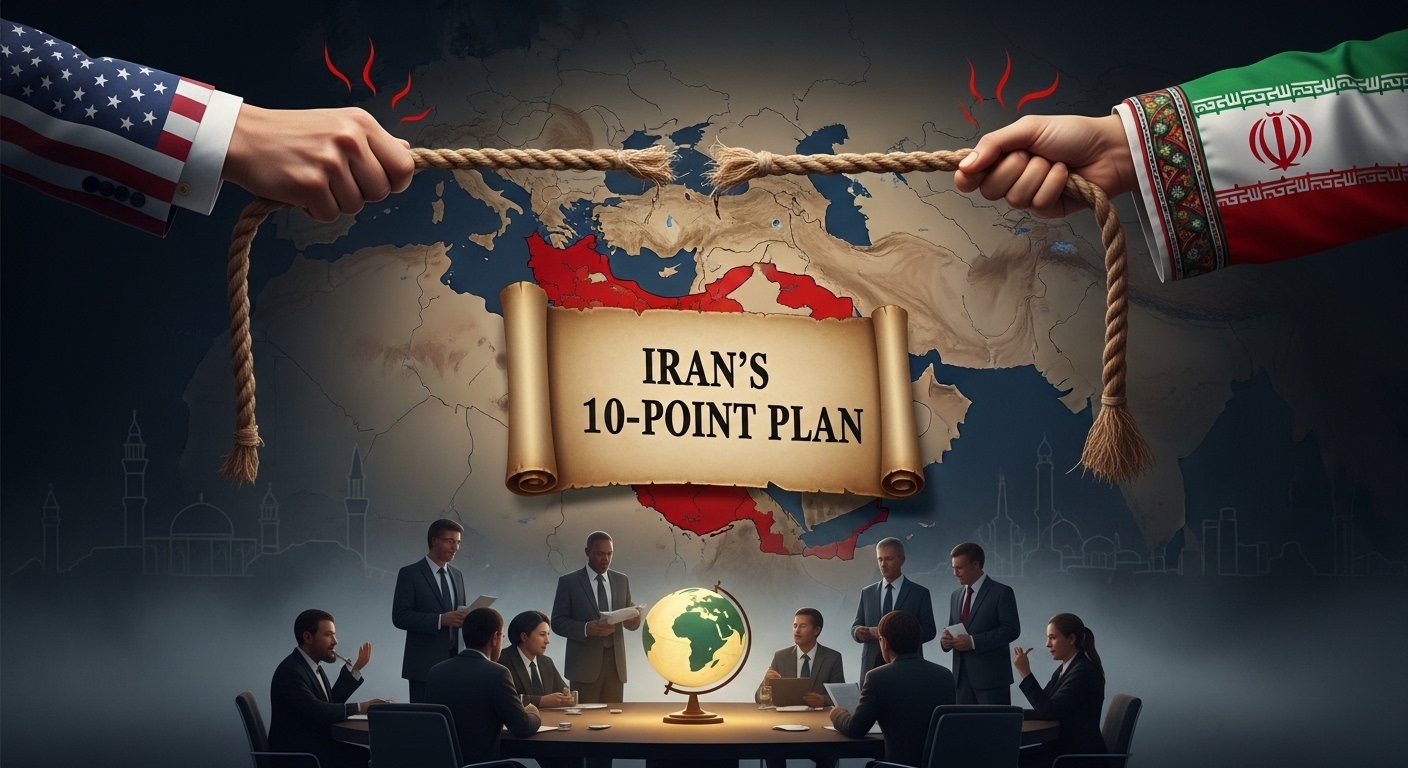
During the escalating conflict between the United States and Iran in 2026, Tehran introduced a 10-point peace proposal aimed at ending hostilities and creating a framework for negotiations. The proposal was reportedly shared with U.S. officials during a tense period when both countries were engaged in military operations.
Former U.S. President Donald Trump said the proposal could serve as a “workable basis” for negotiations, although many details remained disputed between Washington and Tehran. (Fox News)
The plan outlines a series of demands from Iran and commitments it claims it would make in return. While the proposal suggests a pathway toward peace, it also includes controversial conditions that could reshape power dynamics in the Middle East.
Why the Proposal Emerged
The peace plan appeared during a two-week ceasefire agreement between the United States and Iran. The temporary pause in fighting was intended to create time for diplomatic negotiations and prevent a wider regional war.
During this ceasefire period, Iran presented its 10-point framework to the United States. Trump described it as a starting point for negotiations, suggesting that some longstanding disputes between the two countries might be resolved if both sides were willing to compromise. (Fox News)
However, U.S. officials later indicated that the version of the plan released publicly by Iran was different from the one discussed privately with American negotiators.
Key Demands in Iran’s 10-Point Plan
The publicly released version of Iran’s proposal includes several major demands directed at the United States and its allies.
1. End of All U.S. Sanctions
Iran wants the United States to remove all economic sanctions, including both direct sanctions and secondary sanctions that affect other countries trading with Iran.
Sanctions have severely limited Iran’s economy, affecting oil exports, banking systems, and international trade.
2. Iranian Control of the Strait of Hormuz
One of the most controversial points is Iran’s demand to gain full control over the Strait of Hormuz.
This narrow waterway is one of the world’s most important energy routes, with a large portion of global oil shipments passing through it every day.
3. Stop U.S. Military Attacks
The plan also requires the United States to immediately halt all military strikes against Iran and Iranian-aligned groups in the region.
This includes attacks targeting Iranian military infrastructure and proxy forces.
4. Withdrawal of U.S. Forces From the Middle East
Iran’s proposal calls for the removal of American military forces from bases across the Middle East.
This demand could significantly change the regional balance of power if implemented.
5. Release of Frozen Iranian Assets
Iran wants access to billions of dollars in frozen financial assets currently held abroad due to sanctions.
These funds were restricted by international banking regulations linked to sanctions programs.
6. Compensation for War Damage
Another major demand is that the United States compensate Iran for damage caused during the war, including destruction of infrastructure and military sites.
7. Recognition of Iran’s Nuclear Rights
Iran also demands that the United States formally recognize its right to enrich uranium for civilian nuclear purposes.
This issue has been one of the most controversial points in international negotiations with Iran for decades.
8. United Nations Enforcement
The proposal suggests that the final agreement should be formalized through a United Nations resolution, making the deal legally binding internationally.
9. Regional Security Agreements
Iran indicated that it would be willing to sign peace agreements with neighboring countries to reduce tensions across the Middle East.
10. Commitment Not to Build Nuclear Weapons
In exchange for the above demands, Iran says it would formally commit not to develop nuclear weapons.
This pledge would be a key goal for the United States and its allies.
Conflicting Narratives From Washington and Tehran
Although Trump initially described the proposal as a possible foundation for negotiations, U.S. officials later clarified that the Iranian version circulating publicly did not reflect the final framework being discussed.
The White House stated that the original plan released by Iran was “unacceptable” and was ultimately rejected by U.S. negotiators. (Fox News)
This suggests that the actual negotiations between the two countries may involve different conditions behind closed doors.
Why the Plan Is Controversial
The proposal has generated intense debate among analysts and policymakers for several reasons:
Major Strategic Concessions
Some of Iran’s demands—such as control over the Strait of Hormuz or the removal of U.S. troops from the region—would represent significant geopolitical changes.
Nuclear Concerns
Allowing Iran to enrich uranium, even for civilian purposes, raises concerns among Western governments about the possibility of future nuclear weapons development.
Economic Impact
Lifting sanctions could dramatically change Iran’s economic situation and increase its influence in global energy markets.
What Happens Next
The 10-point plan does not represent a final agreement. Instead, it functions as a starting point for negotiations during the ceasefire period.
Both countries continue to debate the details, and analysts say the outcome could shape the future of U.S.–Iran relations and stability in the Middle East.
If negotiations succeed, the agreement could reduce tensions and prevent further military escalation. However, if talks fail, the conflict could resume quickly.