Why Some Analysts Say Donald Trump Is the Biggest Loser of the Iran War
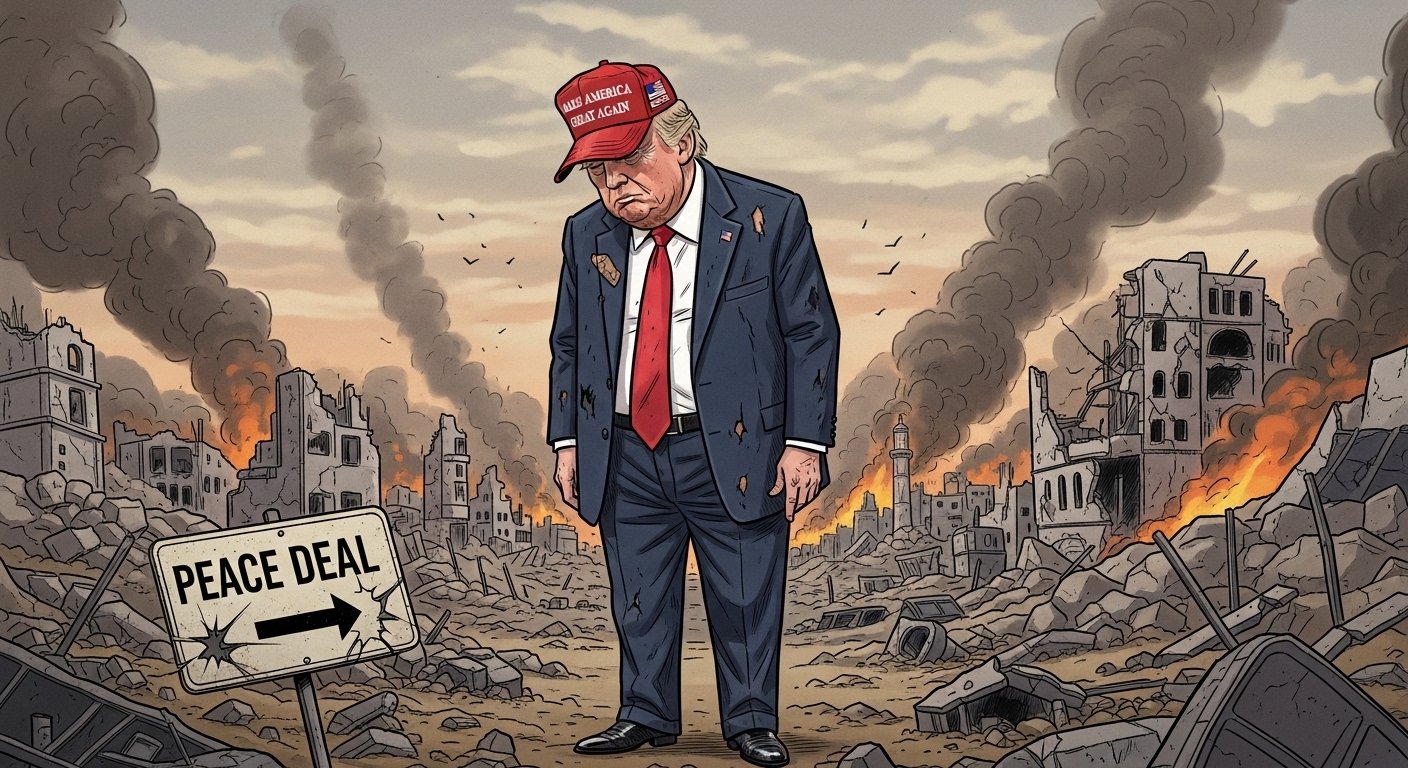
During the 2026 conflict between the United States and Iran, the war created huge geopolitical and economic consequences across the Middle East. While the fighting eventually moved toward a fragile ceasefire, some analysts argue that the biggest political loser of the conflict could be Donald Trump.
The argument is not that Iran clearly won the war. Instead, critics say Trump failed to achieve the goals he publicly set at the beginning of the conflict. As a result, the outcome damaged his political credibility both at home and internationally.
1. Trump Started the War With Ambitious Goals
At the beginning of the conflict, the United States launched major military operations against Iran with several ambitious objectives:
- Destroy Iran’s nuclear capabilities
- Cripple its missile program
- Force major concessions from the Iranian government
- Demonstrate American military dominance in the region
However, despite weeks of fighting, none of these goals were fully achieved. Iran’s government remained in power, and its military infrastructure was damaged but not eliminated. (The Washington Post)
When the conflict moved toward a ceasefire, critics argued that the United States had spent massive resources without achieving decisive results.
2. The Ceasefire Looked More Like a Compromise
Eventually the U.S. and Iran agreed to a temporary ceasefire, just before a deadline Trump had set for massive new strikes.
The ceasefire stopped immediate escalation but did not produce a clear victory. Iran continued to operate politically and militarily, and negotiations were required to prevent the war from restarting. (The Washington Post)
From a political perspective, this made the war look less like a strategic triumph and more like an unresolved conflict.
3. Iran Appeared Defiant After the War
Another reason analysts say Trump lost politically is the symbolic outcome of the conflict.
Even after heavy bombing and military pressure, Iran remained defiant:
- Its government stayed in power
- It continued missile activity in the region
- It maintained influence over key strategic routes like the Strait of Hormuz
This created an image that the U.S. had failed to force Iran into submission.
4. Economic and Global Consequences
The war also had major global economic effects.
Disruptions around the Strait of Hormuz, one of the most important oil shipping routes in the world, created fear in energy markets and global trade systems. (The Guardian)
Although markets recovered somewhat after the ceasefire, economists warn that the conflict could still cause long-term economic damage.
For American policymakers, that raises the question: Was the war worth the cost?
5. Political Divisions Inside the United States
Another major problem for Trump was domestic politics.
Even inside his own political base, reactions to the ceasefire were mixed. Some supporters praised him for avoiding a larger war, while others criticized him for not pushing harder to defeat Iran. (The Guardian)
This internal disagreement weakened the perception that Trump had strong control over the situation.
6. Strategic Benefits for Other Leaders
While Trump faced criticism, some analysts argue that other leaders gained politically from the war.
For example, Israeli politics and Middle Eastern alliances shifted in complex ways, and several regional powers used the conflict to strengthen their influence.
This contrast made Trump’s position look weaker internationally.
7. The Bigger Lesson From the Conflict
The central message of the analysis is that wars rarely produce clean victories, especially in the Middle East.
Even a powerful country like the United States can struggle to achieve clear strategic results when conflicts involve:
- regional alliances
- economic consequences
- political pressures at home
- long-term ideological rivalries
Because of these complexities, the war ended with a ceasefire rather than a decisive victory.
The argument that Trump was the “biggest loser” of the Iran war does not mean Iran clearly won the conflict. Instead, it reflects the idea that Trump:
- Started the war with major strategic goals
- Spent enormous resources
- Ended with a ceasefire rather than victory
In politics and international relations, failing to achieve declared objectives can damage a leader’s reputation. For that reason, some analysts believe the outcome of the conflict may have hurt Trump more than any other political figure involved.