Trump Iran Energy Threats Escalate War: What It Means for the U.S. and Global Stability
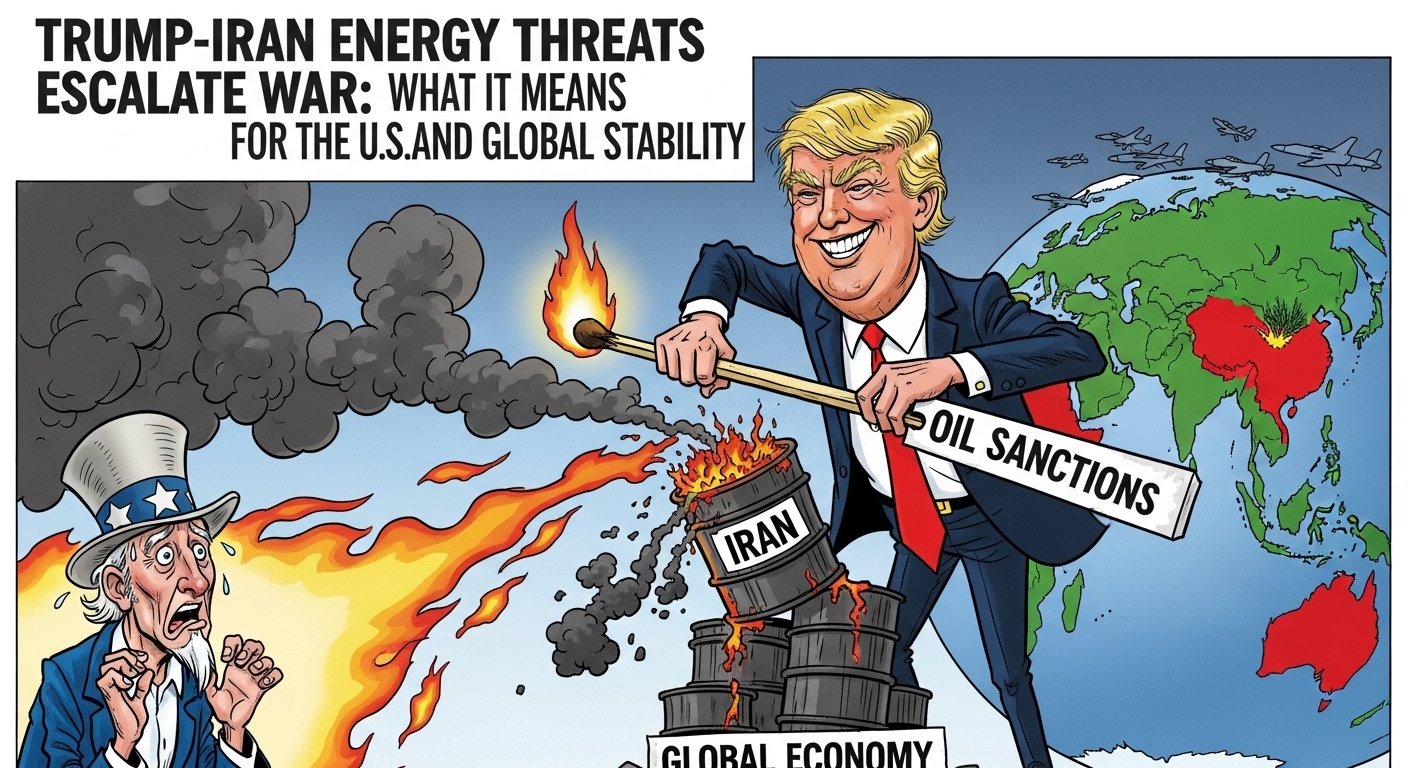
Tensions between the United States and Iran have sharply escalated, raising fears of a broader regional war and serious global economic disruption. Recent developments show both sides exchanging direct threats targeting critical energy infrastructure—an alarming shift that could impact oil supplies, global markets, and U.S. national security.
For American readers, this is not just another overseas conflict. The situation has immediate consequences for gas prices, economic stability, and military commitments abroad. This article breaks down the latest developments, explains the stakes, and explores what could happen next.
The Core Conflict: Energy Infrastructure as a Target
At the center of the current crisis is a dangerous escalation: both the United States and Iran are threatening to strike each other’s energy systems.
U.S. President Donald Trump warned that he could “obliterate” Iran’s power plants if Tehran does not reopen the Strait of Hormuz—a key global shipping route for oil and gas.
In response, Iran issued its own warning, stating it would retaliate by targeting energy facilities and water infrastructure in Gulf countries, including those linked to U.S. allies.
This exchange marks a major shift in the conflict. Instead of focusing only on military targets, both sides are now threatening systems that directly impact civilian populations and the global economy.
Why the Strait of Hormuz Matters
A critical factor in this crisis is the Strait of Hormuz, one of the world’s most important energy chokepoints.
- Around 20% of global oil supply passes through this narrow waterway
- It connects major oil-producing countries to global markets
- Any disruption immediately impacts global fuel prices
The ongoing conflict has already severely disrupted shipping in the region. Tanker traffic has dropped dramatically, with some estimates showing near-total shutdown at times.
For the United States, this matters because global oil markets are interconnected. Even if America produces its own energy, disruptions abroad can still lead to higher gasoline prices and inflation at home.
Iran’s Threat: Expanding the Battlefield
Iran has made it clear that any attack on its energy infrastructure will trigger widespread retaliation.
Officials have warned they could:
- Target desalination plants that provide water in Gulf countries
- Strike energy facilities in nations hosting U.S. military bases
- Disrupt critical infrastructure across the region
This is especially concerning because many Gulf countries rely heavily on these systems for basic survival, including drinking water and electricity.
Iran has also threatened to completely close the Strait of Hormuz if the U.S. follows through on its threats.
Such a move would not only escalate the conflict but could trigger a global energy crisis.
U.S. Military Actions and Strategy
The United States has already taken significant military action in the region.
Recent developments include:
- Large-scale airstrikes on Iranian military targets
- Increased naval presence in the Persian Gulf
- Operations aimed at reopening shipping routes
One notable strike targeted over 90 Iranian military sites, demonstrating the scale of U.S. involvement.
However, the U.S. has so far avoided directly hitting Iran’s energy infrastructure—likely to prevent further escalation. That restraint may not last if tensions continue to rise.
Economic Shockwaves: Oil Prices and Global Markets
The conflict is already having a major impact on global markets.
Rising Oil Prices
Oil prices have surged to multi-year highs, driven by fears of supply disruptions.
When supply drops or uncertainty increases, prices rise—and that affects everything from transportation to food costs.
Global Supply Chain Disruptions
With shipping routes blocked or restricted:
- Tankers are avoiding the region
- Energy exports are delayed
- Supply chains are under stress
In some cases, the disruption has been described as the largest energy shock since the 1970s oil crisis.
Market Volatility
Financial markets are reacting quickly:
- Oil prices are fluctuating sharply
- Stocks are sensitive to geopolitical news
- Investors are uncertain about long-term stability
Even brief announcements—such as potential talks—have caused sudden drops in oil prices, highlighting how unstable the situation is.
Diplomatic Confusion and Mistrust
Another major issue is the lack of clear communication between the U.S. and Iran.
President Trump has claimed that there were productive discussions with Iranian officials, suggesting a possible path toward de-escalation. However, Iran has strongly denied that any such talks took place.
This disconnect creates confusion in global markets and increases the risk of miscalculation.
When both sides publicly contradict each other, it becomes harder to predict what will happen next—and more difficult to prevent further escalation.
The Broader War Context
This crisis is part of a larger conflict that began in late February 2026.
Key developments include:
- Joint U.S.-Israel military actions against Iran
- Iranian missile and drone attacks in response
- Strikes on energy facilities across the region
The war has already caused thousands of casualties and expanded beyond initial expectations.
Analysts warn that the situation may be slipping out of control, with no clear exit strategy in place.
Risks of Further Escalation
If current tensions continue, several dangerous scenarios could unfold:
1. Full Energy War
Both sides could begin targeting oil fields, refineries, and power grids, causing massive global disruption.
2. Regional Conflict Expansion
Other countries in the Middle East could be drawn into the conflict, turning it into a wider regional war.
3. Global Economic Crisis
Extended disruptions to oil supply could lead to inflation, recession, and financial instability worldwide.
Energy executives have warned that prolonged disruption could become a systemic risk to the global economy.
Impact on the United States
For Americans, this conflict has direct consequences:
⛽ Gas Prices
Higher oil prices mean more expensive fuel at the pump.
📉 Inflation
Energy costs affect transportation, manufacturing, and food prices.
🪖 Military Involvement
The U.S. may need to commit more troops and resources if the conflict escalates.
🗳️ Political Impact
The war is already influencing domestic politics, with debates over strategy and leadership.
Is There a Path to De-escalation?
Despite the rising tensions, there are still opportunities to avoid a full-scale crisis.
Possible paths forward include:
- Diplomatic negotiations
- Limited military engagement
- International pressure from allies
However, trust between the U.S. and Iran remains extremely low, making any agreement difficult.
The escalating conflict between the United States and Iran represents one of the most serious geopolitical crises in recent years. With both sides threatening energy infrastructure, the risks extend far beyond the battlefield.
For the United States, the stakes are high—affecting everything from gas prices to global leadership. While there are signs of potential diplomacy, the situation remains volatile and unpredictable.
If tensions continue to rise, the world could face not just a regional war, but a global economic shock with long-lasting consequences.