US Iran Conflict 2026 Ceasefire What It Means for America and the World
The ongoing conflict between the United States and Iran in 2026 has become one of the most critical global crises in recent years. After weeks of intense military activity, rising oil prices, and global instability, a temporary ceasefire has been announced. While this development has brought short term relief, it has also raised serious questions about long term peace, economic impact, and geopolitical stability.
For American audiences, this situation is not just about foreign policy. It directly affects fuel prices, financial markets, national security, and global trade. Understanding what has happened and what comes next is essential.
Background of the Conflict
The 2026 Iran war did not happen suddenly. It is the result of decades of tension between the United States and Iran, particularly over nuclear programs, regional influence, and military power. The conflict escalated significantly when US and allied forces launched large scale strikes on Iranian military infrastructure earlier in the year. (Encyclopedia Britannica)
Iran responded with missile and drone attacks across the Middle East, targeting US interests, oil infrastructure, and shipping routes. This quickly turned into a broader regional conflict involving multiple countries and severely disrupting global trade.
One of the most critical flashpoints was the Strait of Hormuz, a narrow waterway through which a significant portion of the world’s oil supply passes. When this route was disrupted, global energy markets reacted immediately.
The Ceasefire Agreement
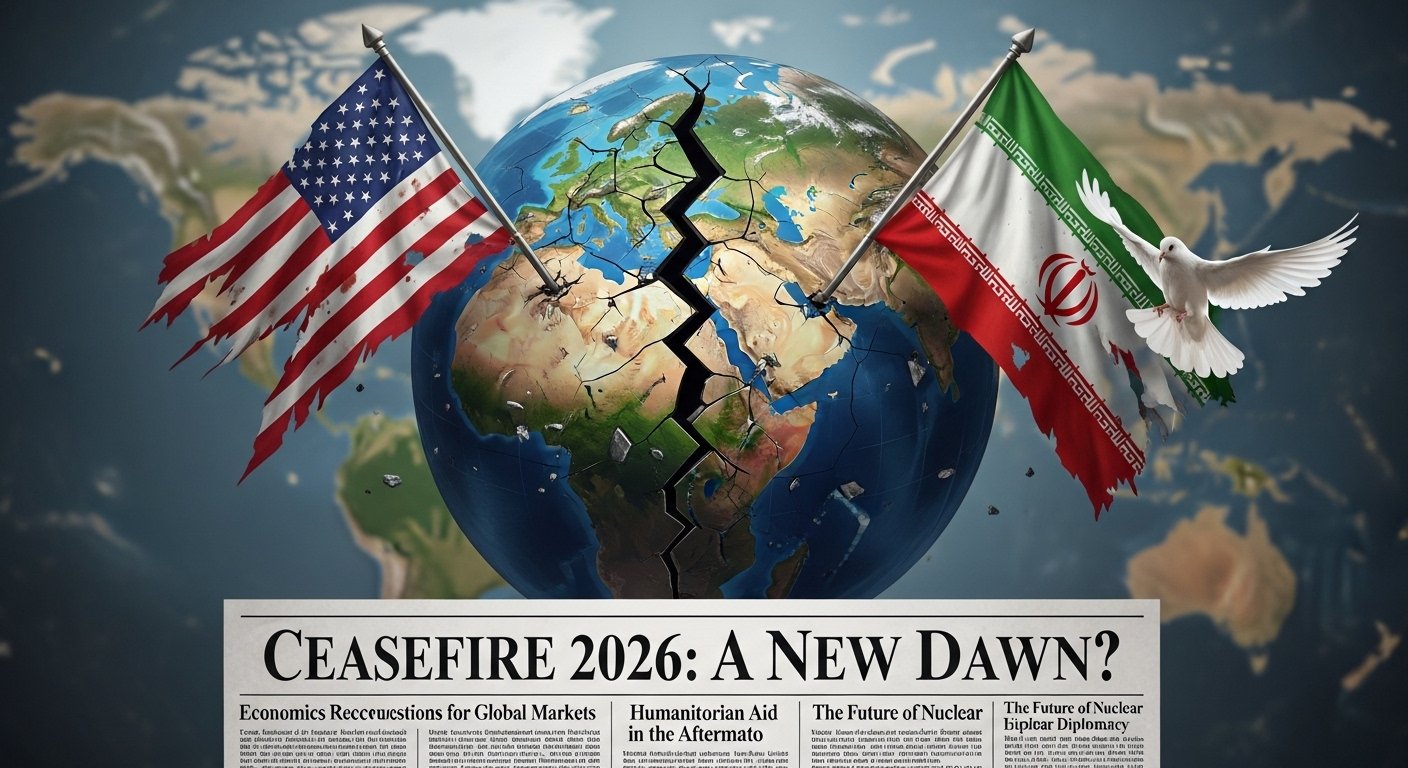
After nearly six weeks of escalating violence, the United States and Iran agreed to a temporary two week ceasefire. This agreement was facilitated through diplomatic efforts, with Pakistan playing a key role in bringing both sides to the negotiating table. (The Guardian)
The ceasefire includes several important conditions. Iran agreed to allow limited reopening of the Strait of Hormuz, which is crucial for global oil shipments. In return, the United States paused planned large scale military strikes that could have significantly escalated the war. (The Washington Post)
Both sides have presented the agreement as a victory. Former President Donald Trump described it as a complete success for US objectives, while Iran claimed that its demands were acknowledged in ongoing negotiations. (Reuters)
However, despite the agreement, tensions remain high and the situation is far from resolved.
Why This Matters for the United States
For American citizens and businesses, the impact of this conflict goes far beyond headlines. One of the most immediate effects has been on energy prices. During the peak of the conflict, oil prices surged due to fears of supply disruption. After the ceasefire announcement, prices dropped significantly, showing how sensitive markets are to geopolitical developments. (The Guardian)
This directly affects gasoline prices across the United States. Higher oil prices mean higher transportation costs, which in turn increase the cost of goods and services.
Financial markets also reacted strongly. Global stock markets surged after the ceasefire, reflecting investor optimism that the worst case scenario had been avoided. However, experts warn that this relief may only be temporary if tensions rise again.
Ongoing Risks and Uncertainty
Despite the ceasefire, several risks remain that could quickly destabilize the situation again. Reports indicate that some military actions have continued in certain regions, particularly involving Israel and groups in Lebanon. (The Washington Post)
Additionally, there are major disagreements between the United States and Iran regarding key issues such as nuclear development, sanctions, and regional influence. These unresolved conflicts mean that the ceasefire is more of a pause than a permanent solution.
Shipping through the Strait of Hormuz has not fully returned to normal, and any disruption in this route can once again trigger spikes in oil prices and global economic instability.
Global Economic Impact
The economic consequences of the conflict are expected to last well beyond the ceasefire period. Energy infrastructure has been damaged, and production levels in key regions have been affected. Analysts believe it could take months or even years for the market to fully stabilize. (Reuters)
Countries that depend heavily on imported oil may continue to face higher costs, while businesses around the world may experience supply chain disruptions.
For the United States, this could mean ongoing inflation pressure and uncertainty in key industries such as transportation, manufacturing, and logistics.
Political and Strategic Implications
The conflict has also had significant political implications within the United States. Public opinion has been affected by the rising costs and risks associated with the war. Reports suggest that approval ratings have fluctuated during the crisis, reflecting public concern over foreign policy decisions. (The Guardian)
On the global stage, the ceasefire highlights the importance of diplomacy and international cooperation. Countries like Pakistan played a crucial role in preventing further escalation, showing that diplomatic channels remain essential even during high tension conflicts.
At the same time, the situation underscores how fragile peace can be in regions with long standing political and military tensions.
What Happens Next
The next phase will involve negotiations based on a proposed framework that includes multiple conditions from both sides. These discussions are expected to address critical issues such as nuclear activity, sanctions, and regional security. (The Guardian)
However, reaching a long term agreement will not be easy. Both sides have different priorities, and trust remains limited.
For now, the ceasefire provides a window of opportunity to move toward a more stable resolution, but the risk of renewed conflict is still very real.
The 2026 US Iran conflict and its temporary ceasefire represent a turning point in global politics, but not a final resolution. For the United States, the effects are being felt in energy prices, economic stability, and national security concerns.
While the ceasefire has reduced immediate tensions, the underlying issues remain unresolved. The coming weeks will be critical in determining whether this agreement leads to lasting peace or simply delays further conflict.
For American readers, staying informed about these developments is essential, as the outcomes will continue to shape both domestic conditions and the global landscape.